IronNest Construction | Remodeling & General Contractor in Bay Area & Sacramento, CA

Guide Category: Homeowner Tips

  • Concrete Work: Key Tips for Bay Area Homeowners

    A well-executed concrete work project holds its value for decades. A poorly planned one can cost more to fix than the original project was worth. Here are the things Bay Area homeowners consistently get right — and wrong — on these projects.

    What a Quality Concrete Work Project Includes

    • Subgrade compaction and base preparation — the foundation under the concrete
    • Correct mix design for application — 3,000 to 4,500 PSI as needed
    • Control joint placement to prevent random cracking
    • Broom, exposed aggregate, stamped, and salt-finish options
    • Drainage integration — surface slope and catch basins where needed

    The Most Expensive Mistakes

    Choosing a contractor based on price alone is the single biggest concrete work mistake. In the Bay Area, a bid significantly below competitors means something is being cut — labour quality, material specification, permit compliance, or all three. The cost to fix a failed concrete work project almost always exceeds the original project cost.

    The second most common mistake is making design decisions after construction has started. Every change order after work begins is priced at a premium and disrupts scheduling. Make all decisions before signing the contract.

    Questions to Ask Your Contractor

    • How long does new concrete need to cure?
      Concrete reaches about 70% of its design strength in 7 days and full strength at 28 days. We use curing compound to prevent premature drying.
    • Can you repair cracked concrete?
      Depends on the extent and cause. Surface cracks can be filled. Structural cracks with movement, or wide sections with heaving, typically need removal and replacement.
    • Do I need a permit for a driveway?
      In most Bay Area jurisdictions, replacing an existing driveway in the same footprint doesn't require a permit. Expanding a driveway or adding new hardscape typically does. We verify before starting.

    Maintaining Your Investment

    Most quality concrete work work includes a workmanship warranty. Keep all permit and inspection documents, photograph completed work before walls are closed, and follow any maintenance recommendations. Regular maintenance on exterior work dramatically extends lifespan in California’s varied climates.

    Work with IronNest

    We pour and finish concrete for driveways, patios, walkways, retaining walls, and foundations. We also repair settling, cracked, and spalled concrete surfaces. Proper subgrade prep, correct mix design, and control joints — these are the details that make concrete last 30 years instead of 8. Contact us for a free estimate. CSLB Licenced #1130134 — serving the Bay Area since 2010.

  • Kitchen Remodeling: Key Tips for Bay Area Homeowners

    A well-executed kitchen remodeling project holds its value for decades. A poorly planned one can cost more to fix than the original project was worth. Here are the things Bay Area homeowners consistently get right — and wrong — on these projects.

    What a Quality Kitchen Remodeling Project Includes

    • Full coordination of all trades — no subcontract juggling for you
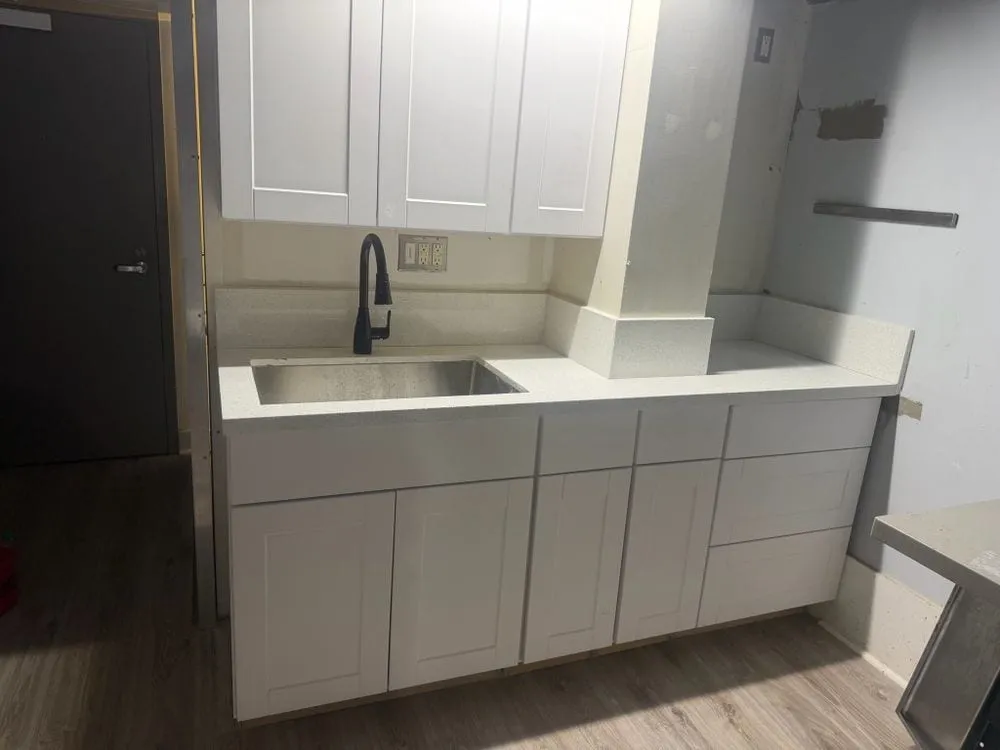
    • Custom and semi-custom cabinetry at all price points
    • Quartz, granite, and butcher block countertops in-house
    • Electrical and plumbing upgrades included where needed
    • Appliance installation coordinated with your delivery schedule

    The Most Expensive Mistakes

    Choosing a contractor based on price alone is the single biggest kitchen remodeling mistake. In the Bay Area, a bid significantly below competitors means something is being cut — labour quality, material specification, permit compliance, or all three. The cost to fix a failed kitchen remodeling project almost always exceeds the original project cost.

    The second most common mistake is making design decisions after construction has started. Every change order after work begins is priced at a premium and disrupts scheduling. Make all decisions before signing the contract.

    Questions to Ask Your Contractor

    • How long does a kitchen remodel take?
      Typically 6–10 weeks from demo to completion, depending on scope and material lead times.
    • Can I stay home during a kitchen remodel?
      Yes, most people do. We set up a temporary kitchen area and minimize time without running water.
    • Do I need permits for a kitchen remodel?
      If the project involves electrical panel changes, moving plumbing, or structural changes, yes — we pull all permits.

    Maintaining Your Investment

    Most quality kitchen remodeling work includes a workmanship warranty. Keep all permit and inspection documents, photograph completed work before walls are closed, and follow any maintenance recommendations. Regular maintenance on exterior work dramatically extends lifespan in California’s varied climates.

    Work with IronNest

    The kitchen is the most-used room in a home and the renovation with the clearest return on investment. We handle full kitchen remodels from demo through finish — cabinetry, countertops, appliances, electrical, plumbing, tile, and lighting. One contractor, no coordination headaches. Contact us for a free estimate. CSLB Licenced #1130134 — serving the Bay Area since 2010.

  • General Construction: Key Tips for Bay Area Homeowners

    A well-executed general construction project holds its value for decades. A poorly planned one can cost more to fix than the original project was worth. Here are the things Bay Area homeowners consistently get right — and wrong — on these projects.

    What a Quality General Construction Project Includes

    • Single point of accountability from permit to punch list
    • All subcontractors licensed, insured, and vetted by us
    • Fixed-price contracts — scope and price agreed upfront
    • Dedicated project manager for every job
    • Weekly progress updates — you are never left wondering

    The Most Expensive Mistakes

    Choosing a contractor based on price alone is the single biggest general construction mistake. In the Bay Area, a bid significantly below competitors means something is being cut — labour quality, material specification, permit compliance, or all three. The cost to fix a failed general construction project almost always exceeds the original project cost.

    The second most common mistake is making design decisions after construction has started. Every change order after work begins is priced at a premium and disrupts scheduling. Make all decisions before signing the contract.

    Questions to Ask Your Contractor

    • How long does a full home renovation take?
      A kitchen renovation typically takes 6–10 weeks. A full home renovation can be 4–6 months. ADU construction is typically 4–6 months for a detached unit.
    • Do you handle design?
      We have design partners we work with regularly. We can bring in design support as part of the project, or work from your architect's plans.
    • What's in your fixed-price contract?
      A detailed line-item scope, material specifications, payment schedule, timeline, and warranty terms. Nothing vague.

    Maintaining Your Investment

    Most quality general construction work includes a workmanship warranty. Keep all permit and inspection documents, photograph completed work before walls are closed, and follow any maintenance recommendations. Regular maintenance on exterior work dramatically extends lifespan in California’s varied climates.

    Work with IronNest

    General contracting means we own the whole project — design coordination, permitting, subcontractor management, scheduling, and final delivery. You deal with one point of contact. We build kitchens, bathrooms, ADUs, additions, and commercial spaces from the ground up. Contact us for a free estimate. CSLB Licenced #1130134 — serving the Bay Area since 2010.

  • Flooring Installation: Key Tips for Bay Area Homeowners

    A well-executed flooring installation project holds its value for decades. A poorly planned one can cost more to fix than the original project was worth. Here are the things Bay Area homeowners consistently get right — and wrong — on these projects.

    What a Quality Flooring Installation Project Includes

    • Subfloor assessment and repair before installation
    • Hardwood — solid and engineered, multiple species and finishes
    • Luxury vinyl plank — waterproof, durable, warm underfoot
    • Tile — floor and wall, with correct layout and grout
    • Transitions, thresholds, and base molding included

    The Most Expensive Mistakes

    Choosing a contractor based on price alone is the single biggest flooring installation mistake. In the Bay Area, a bid significantly below competitors means something is being cut — labour quality, material specification, permit compliance, or all three. The cost to fix a failed flooring installation project almost always exceeds the original project cost.

    The second most common mistake is making design decisions after construction has started. Every change order after work begins is priced at a premium and disrupts scheduling. Make all decisions before signing the contract.

    Questions to Ask Your Contractor

    • What's the best flooring for California homes?
      Luxury vinyl plank handles humidity, temperature variation, and daily wear well. Hardwood is beautiful but needs more care. Tile is best in wet areas.
    • Can you install flooring over existing tile?
      Sometimes. It depends on the height difference at doorways. We evaluate and give you an honest answer.
    • Do you remove old flooring?
      Yes — demolition and disposal of old flooring is included in our scope.

    Maintaining Your Investment

    Most quality flooring installation work includes a workmanship warranty. Keep all permit and inspection documents, photograph completed work before walls are closed, and follow any maintenance recommendations. Regular maintenance on exterior work dramatically extends lifespan in California’s varied climates.

    Work with IronNest

    Flooring is one of the first things buyers and visitors see. We install hardwood, luxury vinyl plank, tile, and laminate — with proper subfloor prep that makes the floor last. No floating installations on bad substrates. Contact us for a free estimate. CSLB Licenced #1130134 — serving the Bay Area since 2010.

  • Drywall: Key Tips for Bay Area Homeowners

    A well-executed drywall project holds its value for decades. A poorly planned one can cost more to fix than the original project was worth. Here are the things Bay Area homeowners consistently get right — and wrong — on these projects.

    What a Quality Drywall Project Includes

    • Level 4 and Level 5 finish available for premium paint applications
    • Texture matching for repairs — orange peel, knockdown, smooth
    • Moisture-resistant drywall in bathrooms and kitchens
    • Fire-rated assemblies where required by code
    • Repair and patch work that disappears under paint

    The Most Expensive Mistakes

    Choosing a contractor based on price alone is the single biggest drywall mistake. In the Bay Area, a bid significantly below competitors means something is being cut — labour quality, material specification, permit compliance, or all three. The cost to fix a failed drywall project almost always exceeds the original project cost.

    The second most common mistake is making design decisions after construction has started. Every change order after work begins is priced at a premium and disrupts scheduling. Make all decisions before signing the contract.

    Questions to Ask Your Contractor

    • Can you match my existing wall texture?
      Yes. Our finishers handle California's common textures — orange peel, knockdown, skip trowel, and smooth. We test the match in a small area first.
    • Do you handle drywall for water damage repairs?
      Yes. We remove damaged drywall, address the moisture source, and install new drywall with proper finish.
    • What's Level 5 finish?
      Level 5 is a skim coat over the entire wall surface that creates a perfectly smooth, gloss-ready surface. The standard for high-sheen paint or very visible walls.

    Maintaining Your Investment

    Most quality drywall work includes a workmanship warranty. Keep all permit and inspection documents, photograph completed work before walls are closed, and follow any maintenance recommendations. Regular maintenance on exterior work dramatically extends lifespan in California’s varied climates.

    Work with IronNest

    Drywall is the canvas for everything else. We install new drywall for additions, repairs, and full renovation scopes, and we patch and finish existing walls to a seamless result. Our drywall crews can match any existing texture — orange peel, knockdown, skip trowel. Contact us for a free estimate. CSLB Licenced #1130134 — serving the Bay Area since 2010.

  • Deck Construction: Key Tips for Bay Area Homeowners

    A well-executed deck construction project holds its value for decades. A poorly planned one can cost more to fix than the original project was worth. Here are the things Bay Area homeowners consistently get right — and wrong — on these projects.

    What a Quality Deck Construction Project Includes

    • Full structural design — sized for load, code-compliant span tables
    • Ledger connection waterproofing — the step most contractors skip
    • Trex, Fiberon composite, and pressure-treated wood options
    • Railing systems — cable, aluminum, glass, wood
    • All permits pulled and inspections passed

    The Most Expensive Mistakes

    Choosing a contractor based on price alone is the single biggest deck construction mistake. In the Bay Area, a bid significantly below competitors means something is being cut — labour quality, material specification, permit compliance, or all three. The cost to fix a failed deck construction project almost always exceeds the original project cost.

    The second most common mistake is making design decisions after construction has started. Every change order after work begins is priced at a premium and disrupts scheduling. Make all decisions before signing the contract.

    Questions to Ask Your Contractor

    • Do I need a permit for a deck?
      In virtually all Bay Area jurisdictions, yes — decks above 12–18 inches off the ground require permits. We pull all permits as part of the project.
    • How long does a deck last?
      Composite decking (Trex, Fiberon) typically carries a 25–30 year warranty and requires minimal maintenance. Pressure-treated wood is cheaper upfront but needs regular sealing and lasts 15–25 years with maintenance.
    • Should I choose wood or composite?
      Composite is our standard recommendation for Bay Area coastal conditions — it doesn't absorb moisture, doesn't splinter, and doesn't need annual sealing. Wood is cheaper upfront and better for certain historic aesthetics.

    Maintaining Your Investment

    Most quality deck construction work includes a workmanship warranty. Keep all permit and inspection documents, photograph completed work before walls are closed, and follow any maintenance recommendations. Regular maintenance on exterior work dramatically extends lifespan in California’s varied climates.

    Work with IronNest

    A well-built deck adds usable square footage, improves how you use your property, and increases resale value. We build wood, composite, and Trex decks — handling structural design, permits, ledger waterproofing, and all finish work. In the Bay Area, a deck that’s not properly waterproofed and anchored doesn’t last. Contact us for a free estimate. CSLB Licenced #1130134 — serving the Bay Area since 2010.

  • Bathroom Remodeling: Key Tips for Bay Area Homeowners

    A well-executed bathroom remodeling project holds its value for decades. A poorly planned one can cost more to fix than the original project was worth. Here are the things Bay Area homeowners consistently get right — and wrong — on these projects.

    What a Quality Bathroom Remodeling Project Includes

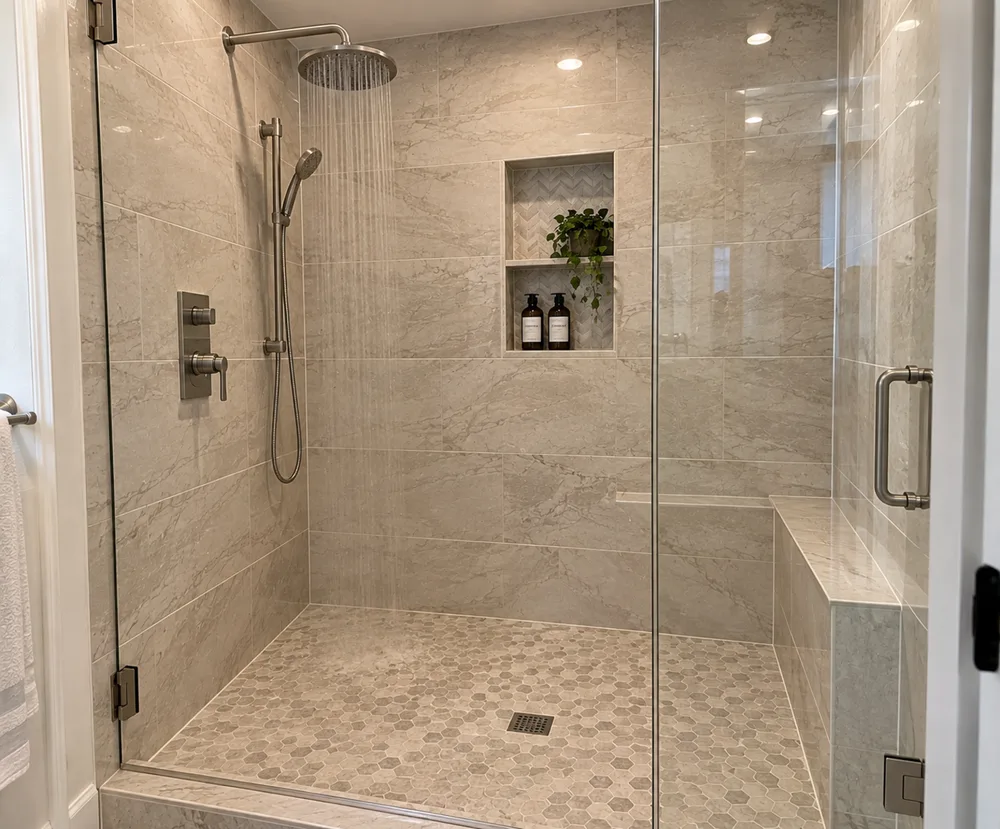
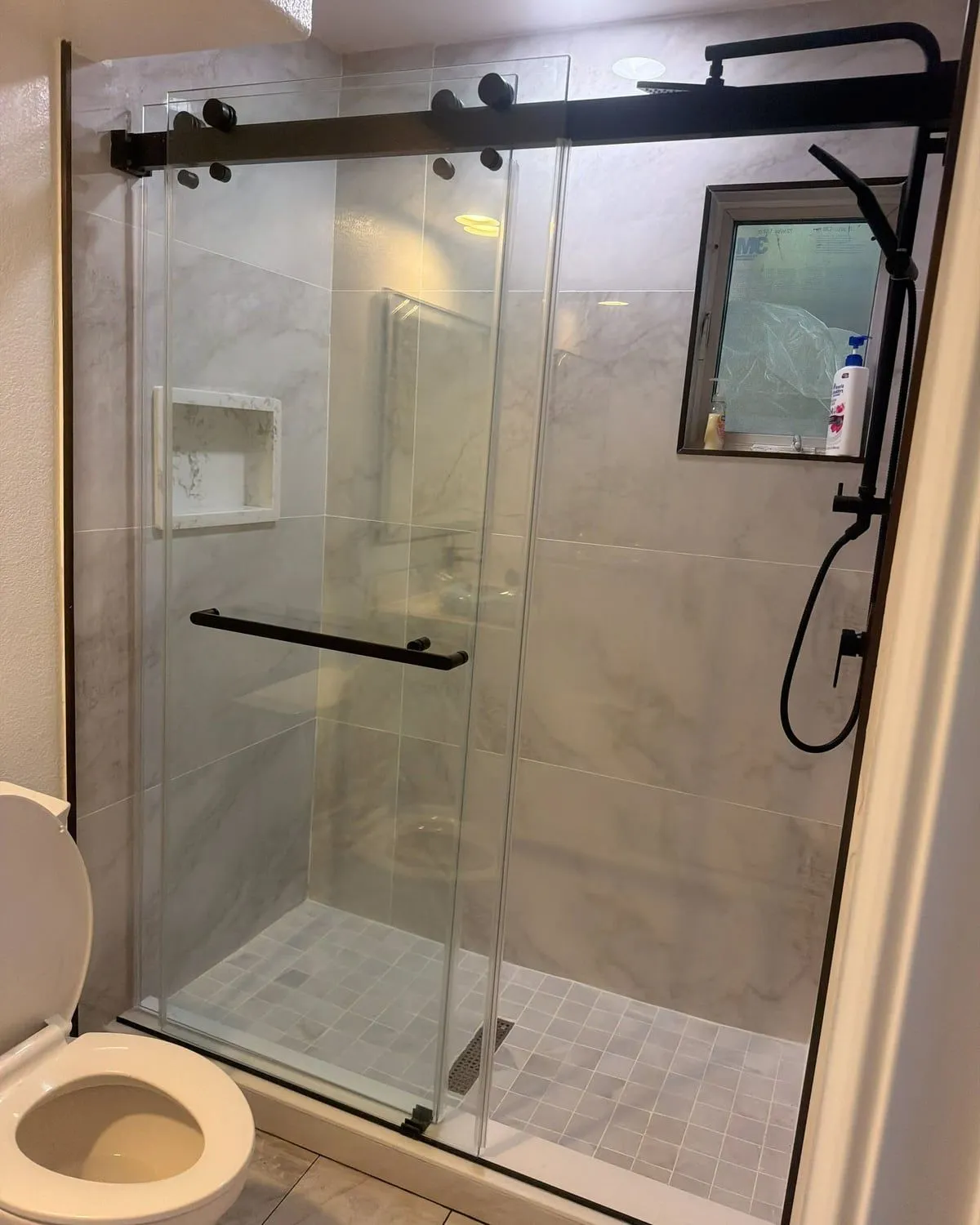
    • Schluter and Wedi waterproofing systems — proper installation
    • Tile work with correct layout and grout selection
    • Ventilation upgrades — quiet fans, proper CFM rating
    • Curbless shower options for accessibility and modern aesthetic
    • All fixtures and plumbing included in scope

    The Most Expensive Mistakes

    Choosing a contractor based on price alone is the single biggest bathroom remodeling mistake. In the Bay Area, a bid significantly below competitors means something is being cut — labour quality, material specification, permit compliance, or all three. The cost to fix a failed bathroom remodeling project almost always exceeds the original project cost.

    The second most common mistake is making design decisions after construction has started. Every change order after work begins is priced at a premium and disrupts scheduling. Make all decisions before signing the contract.

    Questions to Ask Your Contractor

    • How long does a bathroom remodel take?
      A primary bathroom typically takes 3–5 weeks. A smaller guest bath can be done in 2–3 weeks.
    • Do you do just shower replacements?
      Yes. If you want a new shower only without a full bathroom remodel, we can scope that as a standalone project.
    • Do I need a permit?
      If plumbing is being moved, yes. Direct replacement of existing fixtures in the same location may not require a permit — we clarify before starting.

    Maintaining Your Investment

    Most quality bathroom remodeling work includes a workmanship warranty. Keep all permit and inspection documents, photograph completed work before walls are closed, and follow any maintenance recommendations. Regular maintenance on exterior work dramatically extends lifespan in California’s varied climates.

    Work with IronNest

    Bathroom renovations consistently rank among the highest-ROI home improvements in California. We handle full bathroom remodels — tile, fixtures, vanity, shower and tub, waterproofing, lighting, and ventilation — all under one contract, fully permitted. Contact us for a free estimate. CSLB Licenced #1130134 — serving the Bay Area since 2010.

  • Stucco Repair: Key Tips for Bay Area Homeowners

    A well-executed stucco repair project holds its value for decades. A poorly planned one can cost more to fix than the original project was worth. Here are the things Bay Area homeowners consistently get right — and wrong — on these projects.

    What a Quality Stucco Repair Project Includes

    • Root cause analysis before any patching — no surface-only repairs
    • Three-coat traditional stucco application for major repairs
    • Elastomeric coating options for older stucco with minor checking
    • Color matching to existing stucco — integral pigment mixed on site
    • Flashing and waterproofing at all penetrations and transitions

    The Most Expensive Mistakes

    Choosing a contractor based on price alone is the single biggest stucco repair mistake. In the Bay Area, a bid significantly below competitors means something is being cut — labour quality, material specification, permit compliance, or all three. The cost to fix a failed stucco repair project almost always exceeds the original project cost.

    The second most common mistake is making design decisions after construction has started. Every change order after work begins is priced at a premium and disrupts scheduling. Make all decisions before signing the contract.

    Questions to Ask Your Contractor

    • Why does my stucco keep cracking?
      Stucco cracks at stress points — window corners, expansion joints, and transitions. If the same cracks reappear, there's a structural or moisture movement issue beneath the surface.
    • Can you match my existing stucco texture?
      Yes. We match sand finish, smooth finish, dash, and most regional textures. For very old integral-color stucco, we test samples before committing to a full coat.
    • Is elastomeric coating a good solution?
      For older stucco with widespread fine cracking (crazing), elastomeric coating bridges the cracks and extends service life. It's not a substitute for addressing active moisture infiltration.

    Maintaining Your Investment

    Most quality stucco repair work includes a workmanship warranty. Keep all permit and inspection documents, photograph completed work before walls are closed, and follow any maintenance recommendations. Regular maintenance on exterior work dramatically extends lifespan in California’s varied climates.

    Work with IronNest

    Stucco is everywhere in Bay Area construction, and it fails in predictable ways — cracks at windows and corners, moisture intrusion behind the face, efflorescence, and delamination. We repair stucco correctly: addressing the moisture source first, then patching and recoating so repairs don’t crack back open within a year. Contact us for a free estimate. CSLB Licenced #1130134 — serving the Bay Area since 2010.

  • Siding: Key Tips for Bay Area Homeowners

    A well-executed siding project holds its value for decades. A poorly planned one can cost more to fix than the original project was worth. Here are the things Bay Area homeowners consistently get right — and wrong — on these projects.

    What a Quality Siding Project Includes

    • James Hardie certified installers
    • Wood, fiber cement, and engineered wood options
    • Complete moisture barrier installation — no shortcuts
    • Matching existing profiles on historic homes where possible
    • Trim, flashing, and caulking included — complete system

    The Most Expensive Mistakes

    Choosing a contractor based on price alone is the single biggest siding mistake. In the Bay Area, a bid significantly below competitors means something is being cut — labour quality, material specification, permit compliance, or all three. The cost to fix a failed siding project almost always exceeds the original project cost.

    The second most common mistake is making design decisions after construction has started. Every change order after work begins is priced at a premium and disrupts scheduling. Make all decisions before signing the contract.

    Questions to Ask Your Contractor

    • How long does siding last?
      Fiber cement siding carries a 30-year manufacturer warranty and realistically lasts 40–50 years with proper paint maintenance.
    • Can you match my existing siding?
      For HardiePlank, we can match most standard profiles. For custom wood profiles on historic homes, we work with millwork suppliers.
    • Do you handle painting of new siding?
      Yes. We can paint new siding as part of the project. Most clients prefer the all-in approach.

    Maintaining Your Investment

    Most quality siding work includes a workmanship warranty. Keep all permit and inspection documents, photograph completed work before walls are closed, and follow any maintenance recommendations. Regular maintenance on exterior work dramatically extends lifespan in California’s varied climates.

    Work with IronNest

    Old siding loses its seal, lets moisture in, and drives up heating bills. We replace deteriorated wood siding, install fiber cement products like HardiePlank, and handle all trim, flashing, and caulking so nothing comes back later. Contact us for a free estimate. CSLB Licenced #1130134 — serving the Bay Area since 2010.

  • How to Verify a Contractor’s CSLB Licence in California

    Every legitimate general contractor in California must hold a current CSLB (Contractors State Licence Board) licence. Verifying it takes two minutes and can save you from significant financial loss. Here is exactly how to do it.

    How to Check

    Go to cslb.ca.gov and click “Check a Licence.” Enter the contractor’s licence number. The result will show: licence holder name, licence number, licence type, current status, expiry date, bond amount, and any disciplinary actions. Do not accept a photocopied licence card — look it up yourself.

    Licence Classifications

    B — General Building: appropriate for most residential renovation and construction work involving multiple trades. C-39 — Roofing: roofing specialists. C-10 — Electrical. C-36 — Plumbing. Specialty trades should hold the correct classification for their scope.

    What to Look For

    Licence status must be “Active.” Verify the business name matches who you are hiring. Check for any disciplinary actions — suspensions, probations, or revocations. Confirm the workers’ compensation insurance field shows current coverage, or an appropriate exemption.

    What to Do If the Licence Is Not Valid

    Do not hire the contractor. An unlicensed contractor cannot legally pull permits, may not carry required insurance, and has no bond to compensate you if work fails. Report unlicensed contracting activity to the CSLB Enforcement unit.