Berkeley is two very different places to build a deck. In the hills, the lot is usually steep, the deck is high off the ground and the house sits in a fire hazard zone with its own rules for materials. In the flats, the deck is low, the lot is small and the enemy is moisture from the bay fog rather than fire. The cost and the design follow from which of the two you live in.
Typical Costs in Berkeley
- Pressure-treated framing with redwood or cedar decking: $45–$75 per sq ft
- Composite or PVC decking on a new frame: $60–$95 per sq ft
- Elevated hillside deck with engineered footings: $85–$150+ per sq ft
- Railing: $60–$200 per linear ft depending on wood, metal or glass
- Stairs: $300–$700 per step
- Removing an old deck: $8–$15 per sq ft
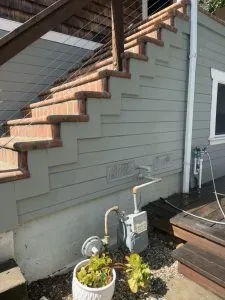
Height and slope drive the price more than size does. A low deck in the flats sits on simple footings; a hillside deck needs engineered piers, bracing and often a structural engineer’s design, and every material has to be carried up or down the hill.
Fire Rules in the Berkeley Hills
Much of the Berkeley hills lies in a Very High Fire Hazard Severity Zone. New decks there must meet the California building code’s wildfire requirements (Chapter 7A): the walking surface has to be an ignition-resistant or tested material, and the design has to avoid trapping embers. Many composite and PVC boards, some treated woods and certain hardwoods are approved for this; ordinary untreated redwood and cedar generally are not. We confirm the zone for your address and specify decking that passes, so plan check does not send it back.
When You Need a Permit
Most decks need a building permit. The code exempts only small, low, free-standing decks: no more than 200 square feet, no more than 30 inches above the ground at any point, not attached to the house and not serving an exit door. Anything higher, larger or attached to the house goes through the City of Berkeley’s Permit Service Center, with inspections of the footings, the framing and the finished deck. Unpermitted decks also tend to surface when the house is sold.
Keeping a Deck Sound Near the Bay
Decks rarely fall down because a board is weak. They fail where the deck meets the house: a ledger board fastened with nails instead of structural screws or bolts, no flashing above it, and years of water running into the rim joist behind it. We bolt or screw the ledger to the house framing, flash it, install the lateral-load connectors the code calls for, and keep the decking clear of the siding so the joint can dry. In the foggy flats we also use ground-contact rated lumber for posts and rim, joist tape on the tops of joists, and leave space underneath for air to move.
Repair or Replace?
- Soft decking with sound framing can often be re-decked on the existing structure.
- A soft ledger, rotten posts or a deck that moves when you walk on it need a structural repair or a new frame.
- Railings that wobble are a safety problem first and a repair second.
IronNest Construction (CSLB #1130134) designs, permits and builds decks in Berkeley and across the East Bay, with a written fixed price and the inspections handled.
What Berkeley Conditions Mean for Deck Construction
Berkeley sits in the East Bay, which means a mild but damp maritime climate, with real rain in winter and very little temperature stress. Nearly every deck failure starts at the ledger, where the deck meets the house and water gets behind the flashing. That connection gets detailed and flashed properly or the deck has a shelf life. The mild range here is forgiving on materials, which means most failures we are called to trace back to workmanship or drainage rather than weather.
Berkeley hills properties are in high fire-hazard severity zones. We specify and install fire-resistant materials — fire-rated siding, ember-resistant vents — as standard on all hillside work.
Deck Construction Permits and Inspections in Berkeley
Berkeley's Planning & Development Department and Building & Safety Division are known for thorough review — design, zoning, and energy requirements all get scrutiny. We prepare for that up front so projects move forward instead of stalling in plan check.
Decks above a certain height require a permit and an inspection, and inspectors focus on the ledger connection, footings, and guardrails. We treat the ledger as a waterproofing detail — flashing, proper fasteners, and standoff hardware — and build to code so it passes and lasts decades.
Where We Work in Berkeley
We take deck construction work across Berkeley, including Elmwood, Rockridge, North Berkeley, Claremont, West Berkeley, Southside, Thousand Oaks, Panoramic Hill. Travel inside the city is included in the quoted price.
Berkeley at a Glance
Berkeley's building stock is mostly pre-1940, and the city has some of the stricter design review and permitting requirements in the Bay Area. Some projects here also need Zoning Adjustments Board review, which can lengthen the timeline, so we check that before quoting a schedule. If you've had a contractor bail on a Berkeley project because of the bureaucracy, that's a story we hear often.
- Area: East Bay (ZIP 94710)
- Served from: our San Francisco branch, (415) 770-4977
- Permits issued by: Berkeley’s Building & Safety Division, applications through the Permits Online portal
- Typical Berkeley work: Berkeley Planning and Building permits — handled, including ZAB process; Arts and Crafts and Brown Shingle restoration expertise; Hillside construction experience — fire-safe materials required
- Nearby cities we also serve: San Francisco, Oakland, Richmond, San Leandro, Hayward